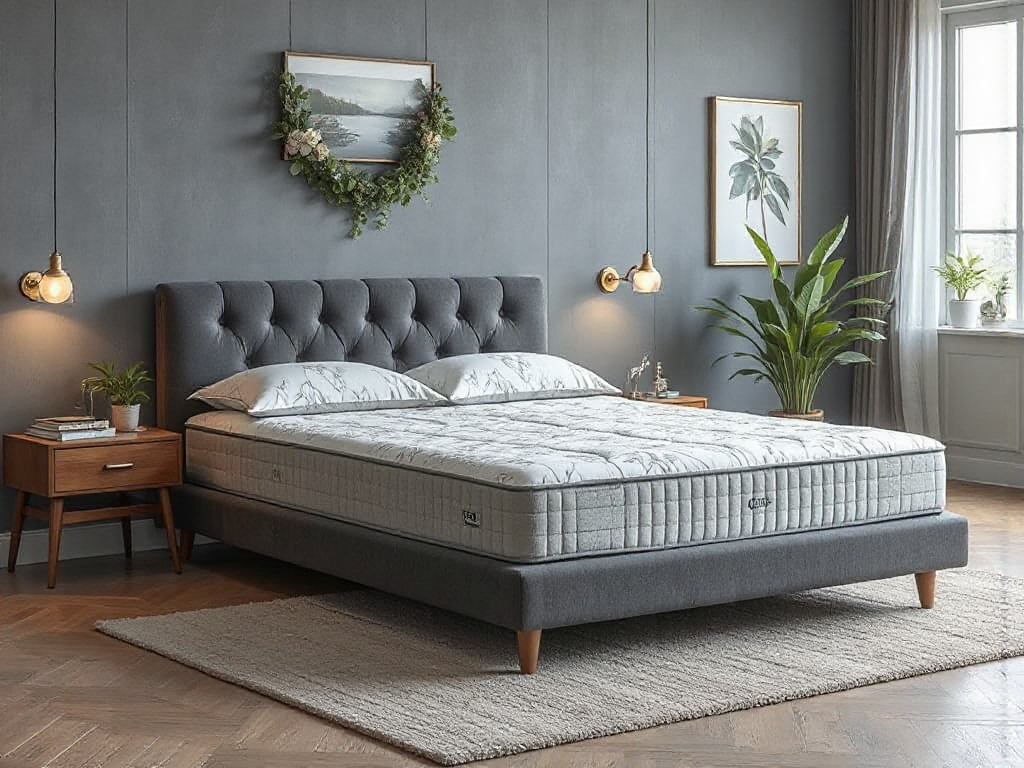
The world of sleep is a vast, often confusing landscape where the difference between a restful night and a morning of stiff joints can be measured in a few vital inches. When you stand in the middle of a furniture showroom, the sizes look deceptively similar, but the single mattress remains the undisputed champion of versatility and spatial economy. It is the silent workhorse of guest rooms, the first “big kid” milestone for a growing child, and the sanctuary for the solo sleeper. But before you commit your hard-earned money and your precious floor space, you must peel back the layers of marketing jargon to understand the physical reality of these dimensions.
The Physical Blueprint: Understanding the Numbers
The standard dimensions of a single mattress, often used interchangeably with the term “twin,” typically measure 38 inches in width by 75 inches in length. In the metric system, this translates to roughly 96.5 centimeters by 190.5 centimeters. While these numbers might seem dry on paper, they represent a carefully calculated balance. This size is narrow enough to fit into tight urban apartments or multi-functional home offices, yet long enough to accommodate most children and many average-height adults.
However, the “how big” question isn’t just about the surface area. Depth plays a massive role in the overall footprint of the bed. Modern single mattresses can range from a slim 6-inch profile for trundle beds to a plush 14-inch luxury hybrid. This verticality affects the scale of the room and the ease with which one can get in and out of bed. If the mattress is too tall, a small room can feel claustrophobic; if it is too thin, the support may vanish before the sun rises.
Spatial Harmony and Room Planning
Designing a room around a single mattress requires a tactical approach. Because the bed occupies approximately 20 square feet of floor space, it is the ideal choice for rooms that need to breathe. In a standard 10×10 foot bedroom, a single mattress leaves ample room for a desk, a dresser, and a path of travel. It allows for the luxury of floor space, which is often more valuable than a sprawling bed that eats every available corner.
Consider the layout of a shared sibling room. Two single mattresses can be arranged in an “L” shape to open up a central play area, or placed parallel with a shared nightstand. This flexibility is something larger sizes simply cannot offer. It is about the economy of movement and the preservation of a room’s intended purpose beyond just sleeping.
The Tall Sleeper’s Dilemma: Twin vs. Twin XL
A common mistake in the quest for the perfect single bed is overlooking the Twin XL. While a standard single is 75 inches long, the Twin XL stretches to 80 inches. This extra 5 inches is the difference between your feet hanging off the edge or being tucked warmly under the covers. For teenagers hitting a growth spurt or college students in dorm rooms, the XL version is the superior choice.
The width remains the same at 38 inches, so you aren’t sacrificing any additional horizontal floor space. However, you must be mindful of bedding; standard single sheets will not fit a Twin XL. It is a small logistical hurdle for a significant gain in comfort.
Quality of Materials: Beyond the Size
The dimensions are the skeleton, but the materials are the soul. A single mattress is often perceived as a “temporary” or “budget” purchase, but that mindset is a disservice to your back. Memory foam options provide a cradling sensation that makes a narrow bed feel more secure, while innerspring models offer the edge support necessary to ensure you don’t feel like you’re rolling off the side.
Hybrid models are currently the gold standard in this category. By combining the sturdy support of coils with the pressure relief of foam, they maximize the limited surface area of a single bed. When space is at a premium, every square inch of that mattress needs to perform at a high level. You aren’t just buying a size; you are buying a recovery tool for your body.
The Final Verdict: Is it Right for You?
The single mattress is an elegant solution to a specific set of problems. It is for the dreamer in the studio apartment, the parent preparing a nursery, and the host who wants to provide a professional guest experience without sacrificing a home office. It is big enough to hold a lifetime of dreams but small enough to respect the boundaries of your home.
Investing in a high-quality single mattress is a nod to the beauty of “just enough.” It proves that you don’t need a sprawling king-size desert of fabric to achieve deep, restorative sleep. You simply need a well-crafted space that fits your life as perfectly as it fits your room.
References
- Better Sleep Council: Mattress Sizes and Dimensions
- Sleep Foundation: Twin vs. Twin XL Comparison
- Architectural Digest: Tips for Small Bedroom Layouts
Frequently Asked Questions (FAQ)
Can two adults fit on a single mattress? No, a single mattress is designed specifically for one person. With a width of only 38 inches, it does not provide enough space for two adults to sleep safely or comfortably.
Is a single mattress the same as a twin? Yes, in the United States, “single” and “twin” are terms used interchangeably for a mattress that is 38 inches by 75 inches.
What is the best room size for a single bed? A single bed fits comfortably in any room larger than 7 feet by 10 feet, allowing for additional furniture and walking space.
Are single mattresses good for side sleepers? Yes, as long as the material (like memory foam or a hybrid) provides adequate pressure relief for the hips and shoulders. The size itself does not dictate sleeping position comfort.
Leave a Reply
You must be logged in to post a comment.