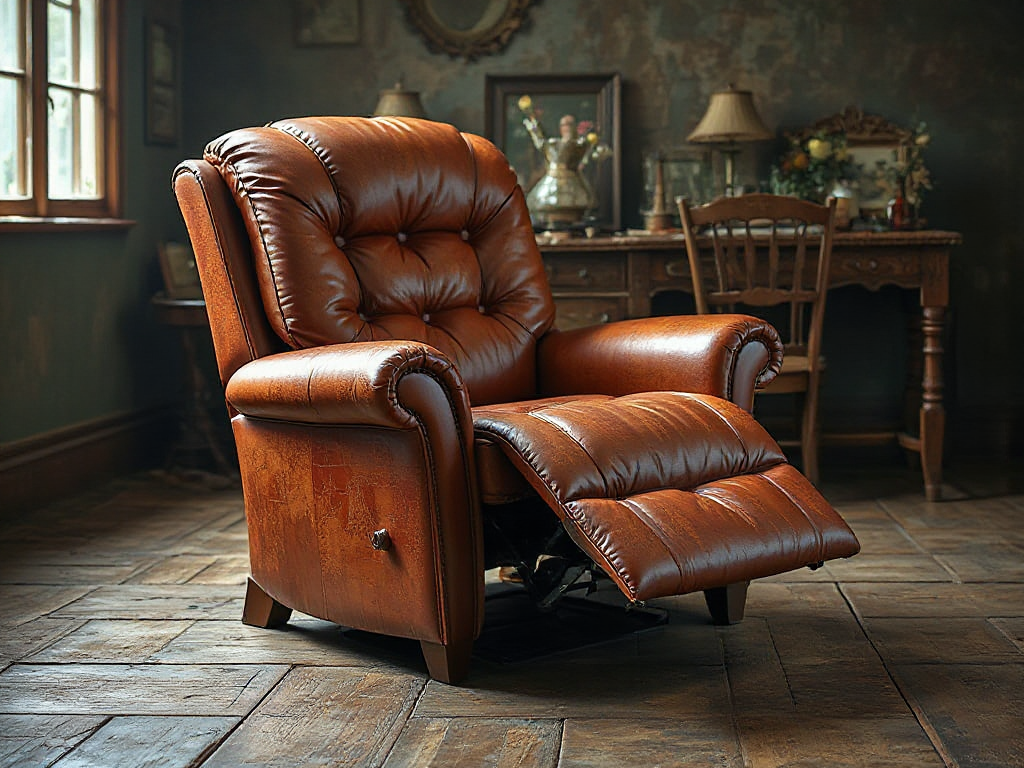
There’s something quietly satisfying about a recliner chair. It’s the throne of lazy Sundays, the command center for late-night movies, the place where time slows just enough to let you breathe. But when it comes time to move it, fix it, or simply understand how it works, that same cozy masterpiece can turn into a stubborn, oversized puzzle. Heavy. Awkward. Almost defiant.
If you’ve ever stood there staring at your recliner thinking, “Where do I even start?” you’re not alone. Disassembling a recliner chair isn’t complicated in the way rocket science is complicated. It’s complicated in the way a locked door is complicated when you don’t know where the key is. Once you see how it all fits together, everything clicks into place.
This guide walks you through the process in a way that feels less like a chore and more like learning the anatomy of comfort itself. Whether you’re moving, repairing, or just curious, you’re about to gain a skill that most people never bother to learn. And honestly, that already puts you ahead of the pack.
Why You Might Need to Disassemble a Recliner Chair
Let’s get real for a second. Recliners are not built for convenience when it comes to transport. They’re built for durability and comfort, which often means bulky frames, reinforced joints, and mechanisms that don’t exactly scream “easy to take apart.”
Here’s where disassembly becomes not just useful, but necessary:
- Moving to a new home or apartment
- Trying to fit the chair through tight doorways or staircases
- Repairing broken reclining mechanisms or worn-out parts
- Reupholstering or deep cleaning the chair
- Recycling or disposing of the furniture responsibly
Think of disassembly as unlocking flexibility. Once broken down, that massive chair suddenly becomes manageable, even cooperative.
Understanding the Structure Before You Start
Before grabbing tools and going full DIY warrior, pause for a moment. A recliner isn’t just a chair. It’s a system.
Most recliners are made up of three core components:
- The backrest
- The seat base
- The footrest mechanism
Some models include additional features like power motors, cup holders, or storage compartments, but the backbone remains the same.
The key insight here is this. Recliners are designed to be assembled in sections. Which means they can be disassembled in reverse. Once you see it that way, the process becomes far less intimidating.
Tools You’ll Likely Need
You don’t need a garage full of equipment. In fact, most recliners can be taken apart with just a few basic tools:
- Flathead screwdriver
- Phillips screwdriver
- Adjustable wrench
- Flashlight
- Gloves for grip and protection
That’s it. No fancy gear. No complicated setup. Just simple tools and a bit of patience.
Step-by-Step Guide to Disassembling a Recliner Chair
Step 1: Position the Chair Properly
Start by moving the recliner into an open space. You want room to maneuver, not a cramped corner where frustration builds faster than progress.
Tilt the chair forward so you can access the underside. This is where the real story begins. The framework, the bolts, the mechanism. It’s all hiding beneath the comfort layer.
Step 2: Locate the Backrest Locking Mechanism
Most recliner backs are attached using locking levers or brackets. These are usually found where the backrest meets the seat base.
Run your hand along the sides. Feel for metal tabs or clips.
Once located, use your screwdriver to gently release the locking mechanism. Some recliners allow you to simply lift the backrest upward once unlocked.
And just like that, the biggest piece comes free.
Step 3: Remove the Backrest
With the locking mechanism disengaged, carefully lift the backrest straight up.
It might feel snug. That’s normal. Recliners are built to stay together, not fall apart at the slightest nudge.
Give it a firm but controlled lift. Avoid twisting or forcing it at odd angles.
Set the backrest aside once removed.
Step 4: Detach the Footrest Mechanism
Now things get a little more mechanical.
The footrest is connected through a series of metal arms and springs. Look for bolts or screws securing these parts to the frame.
Use your wrench or screwdriver to loosen and remove them.
Take your time here. This is where many people rush and end up stripping screws or misplacing parts.
Pro tip. Keep a small container nearby for screws and bolts. Losing one tiny piece can turn reassembly into a headache later.
Step 5: Separate the Seat Base Components
Depending on the model, the seat base may come apart further into smaller sections.
Look for additional screws or brackets holding the frame together.
Remove these carefully, keeping track of where each piece belongs.
At this stage, your recliner should be broken down into manageable parts. No more wrestling with a bulky chair. Just organized components ready for whatever comes next.
Common Mistakes to Avoid
Let’s save you some frustration.
- Forcing parts without checking for hidden screws
- Ignoring the locking mechanism on the backrest
- Mixing up screws and bolts
- Skipping photos during disassembly
Yes, photos matter. Take a quick snapshot before removing each section. Your future self will thank you when it’s time to put everything back together.
Real-Life Example That Hits Home
Imagine trying to move a recliner down a narrow apartment staircase. You angle it sideways, twist your back, maybe mutter a few words you wouldn’t say in polite company. It doesn’t fit.
Now imagine the same chair, neatly disassembled into three parts, carried down effortlessly in minutes.
Same chair. Completely different experience.
That’s the power of understanding how to disassemble a recliner chair.
Why This Skill Actually Matters
At first glance, this might seem like a one-time task. Something you do once every few years.
But look deeper.
This is about self-reliance. About understanding how things are built instead of treating them like sealed mysteries. About saving money on movers, repairs, or replacements.
There’s a quiet confidence that comes from knowing you can take something apart and put it back together again.
It’s the same mindset that turns problems into puzzles instead of obstacles.
Reassembly Tips So You Don’t Regret Anything Later
Let’s be honest. Taking things apart is the fun part. Putting them back together is where reality checks in.
Here’s how to make it smoother:
- Reverse the steps you followed during disassembly
- Refer to your photos if anything feels unclear
- Tighten screws securely, but don’t overdo it
- Test the reclining function before full use
If something feels off, it probably is. Trust your instincts and double-check connections.
Final Thoughts That Stick With You
A recliner chair is more than furniture. It’s engineered comfort. Layers of design working together so you can sit back and relax without thinking twice.
But when you do take the time to understand it, something shifts.
You stop seeing it as a bulky object and start seeing it as a system you can control, adjust, and maintain.
And maybe that’s the bigger takeaway here.
Knowledge removes friction. It turns heavy lifting into simple steps. It replaces frustration with clarity.
So the next time you face a stubborn piece of furniture, you won’t hesitate. You’ll know exactly where to begin.
FAQs About Disassembling a Recliner Chair
How long does it take to disassemble a recliner chair
Most people can complete the process in 20 to 40 minutes depending on the model and experience level.
Can all recliner chairs be disassembled
Most recliners are designed to come apart, especially modern models. Some older or custom-built chairs may be more challenging.
Do I need professional help
In most cases, no. Basic tools and a little patience are enough.
Is it safe to disassemble a power recliner
Yes, but unplug it first and be mindful of electrical components.
Will disassembling damage the chair
Not if done correctly. Follow the steps carefully and avoid forcing parts.
Leave a Reply
You must be logged in to post a comment.